- Home
- Our Services
- Tours
-
JR Pass
Japan Rail Pass
- Flights
- Accommodation
- Destination
- Japan Guide
-

Find your perfect Japan Holidays
by calling or send us an enquiry
020 7611 0150
5 out of 5
(169 Reviews)
30 Mar 2020






Office closure for remote working
Office closure for remote working Dear Customers, We would like to announce that our London office is temporarily closing. We will commu ... ...read more
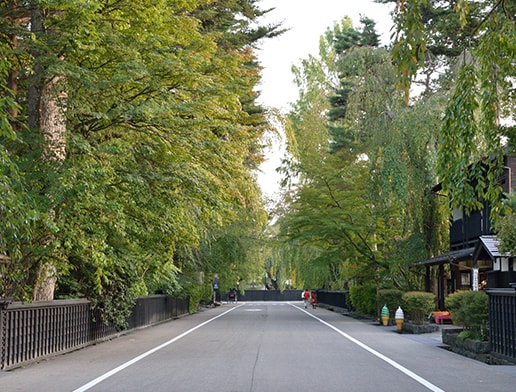
It prospered as the castle town of the Satake family in the early Edo period in 1620, and the cityscape where its descendants lived is preserved. The photo shows the samurai residence district, but the city is formed as one with the adjoining merchant's district.
Photo and comments by Mr Hiroshi Ito
Access: 25min. walk from JR Kakunodate station
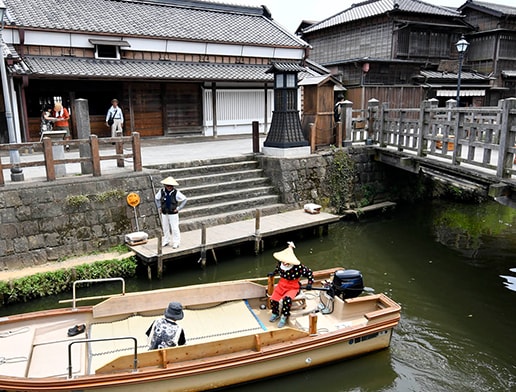
Inoh Tadataka who has created a first map of Japan, used to live in this town in the Edo period. Sawara prospers by using water transportation, shipping using the Ono River flowing through the center of the city. It is called the Little Kyoto of Kanto region or the small Edo of Chiba.
Photo and comments by Mr Tatsuo Idezawa
Access: 10min. walk from JR Sawara station
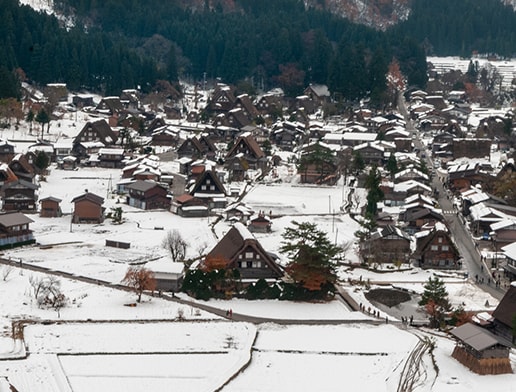
Its often described as a Japan's landscape in the original state. Shirakawago village is famous for its their thatched roofed buildings: the Gasho-zukuri farmhouses. It’s registered as a World Heritage Site in 1995. Due to heavy snowfall areas, the roof has a steep slope so that the snow on the roof can fall off easily, and the rooms on the second floor and above are used as an attic room. In addition, as for the direction of the house, to be able to sun hits evenly on the roof, the roof is inclined in the east-west direction.
Photo and comments by Mr Hiroshi Ito
Access: 50min. by bus from Takayama
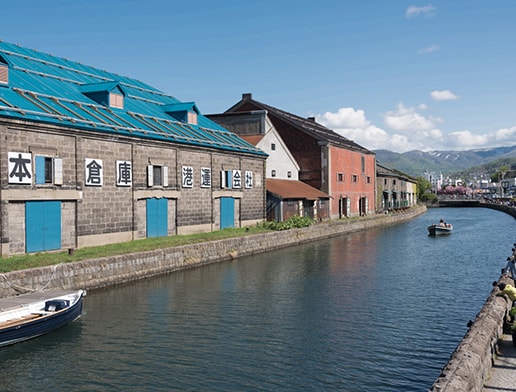
Facing the Sea of Japan, Otaru City, which prospered as a trading port since the Meiji period, was connected by an inland canal and developed as a maritime city. Therefore, warehouses are lined up along the canal, and historic landmarks such as a building of former Otaru Branch of the Yasuda Bank remain as it is.
Photo and comments by Mr Hiroshi Ito
Access: 8min. walk from JR Otaru station
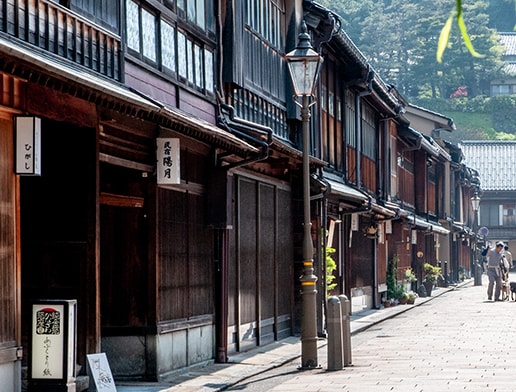
Higashi Chaya District is located in Kanazawa city, ‘Chaya’ literally means ‘tea house’ where traditional Geisha and Maiko entertain guests by dancing and playing traditional instruments from the Edo period. It is called Hokuriku's Little Kyoto, and it’s designated as historic building preservation districts. The streets are lined with lattice-windowed two-story tea houses, cafes and souvenir shops.
Photo and comments by Mr Hiroshi Ito
Access: 10min. by taxi from JR Kanazawa or local bus from various sightseeing spots
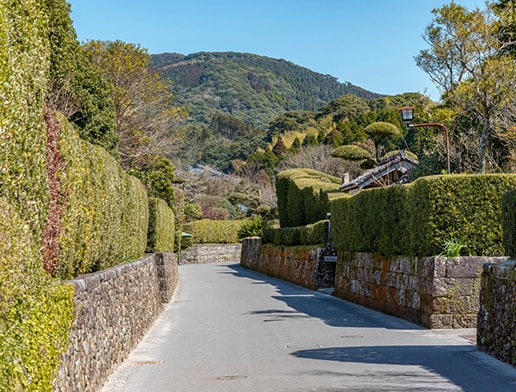
Chiran Samurai Residence Complex called as Satsuma's Little Kyoto. A low stone wall and hedges of residences are built in a curved narrow passage, and in the castle of Satsuma, it is called the outer castle (Tojo), and it makes the district like a fort for the purpose of fortification.
Photo and comments by Mr Hiroshi Ito
Access: 80min. by local bus from JR Kagoshima Chuo station bus stop
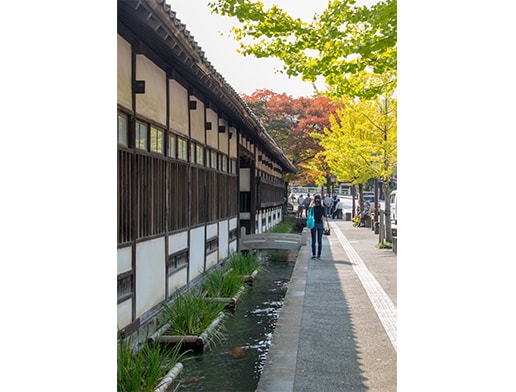
In 1617 Kamei family enters Tsuwano Castle and flourishes as a castle town of 11 generations. Officially, it was a field of 43,000 koku (the amount of rice that could be harvested in his own domain), but due to the feudal lord's education and industrial promotion policy, it prospered to a field of 150,000 koku. A group of samurai residences where the vassal lived is preserved as Tonomachi. A community is formed together with the adjacent merchant district.
Photo and comments by Mr Hiroshi Ito
Access: 10min. walk from JR Tsuwano station
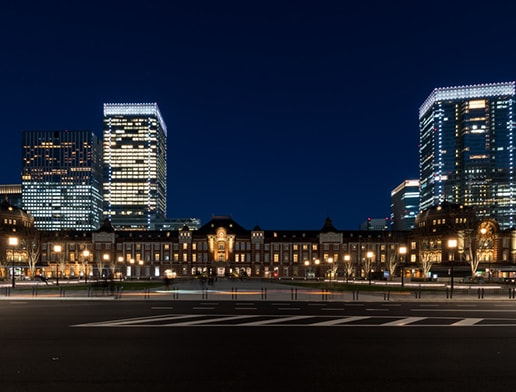
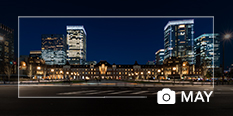
The Tokyo Station Marunouchi Building was restored in 2014, and then the station square was newly designed, and its completed in December 2017.
Photo and comments by Mr Hiroshi Ito
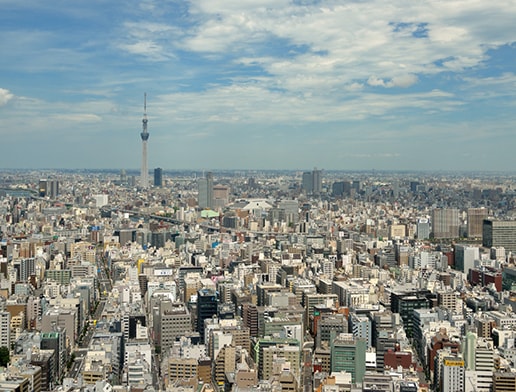
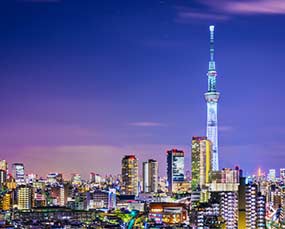
Tokyo Sky Tree, which rises extremely high among the buildings of the city, is became one of the modern Tokyo landmarks.
Photo and comments by Mr Hiroshi Ito
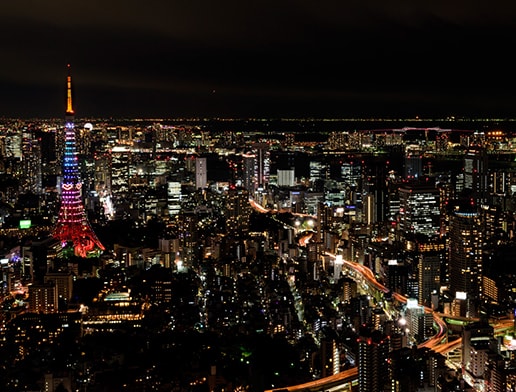
Night view from the rooftop of Roppongi Hills tells about the development and prosperity of the city, following the Tokyo’s new symbol of Tokyo Tower, Tokyo Gate Bridge and Rainbow Bridge.
Photo and comments by Mr Hiroshi Ito
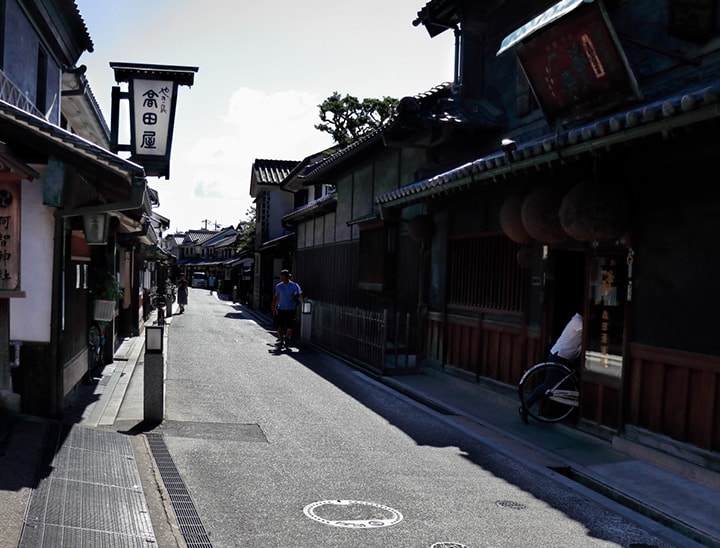
Kurashiki Bikan Historical Quarter prospered in the Edo period (1600s) as an integral destination for the transportation of goods.
A picturesque group of black-and-white warehouses, traditional Japanese house with ‘Namako-kabe’ walls have been converted into museums, and laneways are lined with old wooden houses and shops.
With its many cultural facilities, including the Ohara Museum of Art, Japan’s first western art museum built in 1930, and Ivy Square a complex of brick buildings originally built in 1889 as a spinning mill, it is a town where you can enjoy the atmosphere of Edo period and the present.
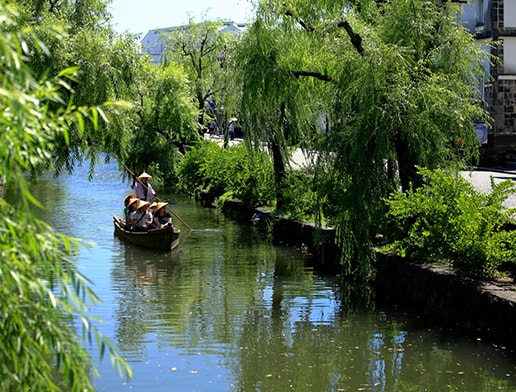
The boat tour offers visitors a chance to admire the beautiful townscape of Bikan Historical Quarter from a small boat along the Kurashiki River
Photo and comments by Hiroyoshi Kawana
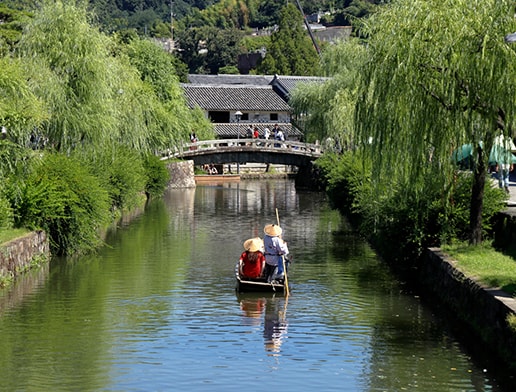
Photo and comments by Hiroyoshi Kawana
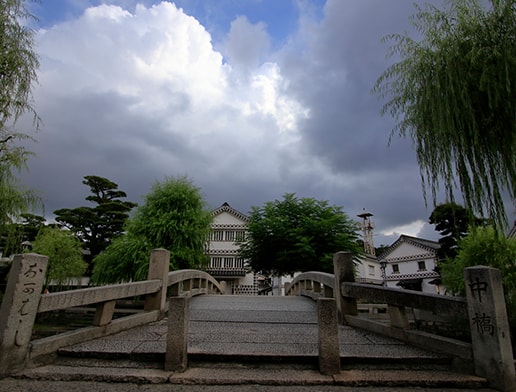
Townscape along the Kurashiki River
Photo and comments by Hiroyoshi Kawana
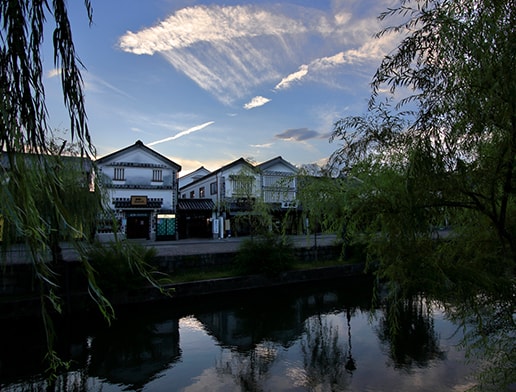
Photo and comments by Hiroyoshi Kawana
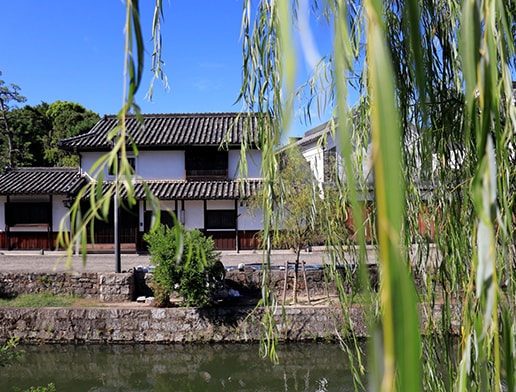
Photo and comments by Hiroyoshi Kawana
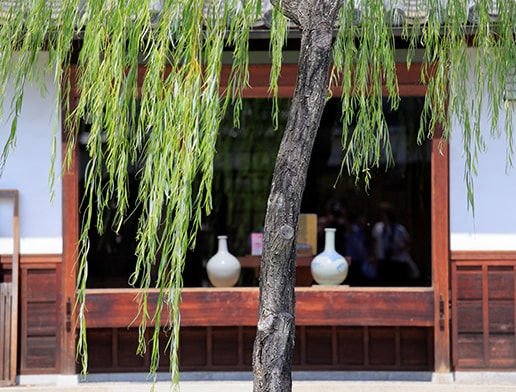
Photo and comments by Hiroyoshi Kawana
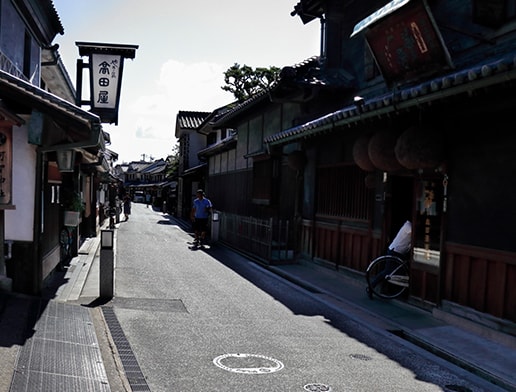
This east-west street on the southern edge of Tsurugata-yama, Honmachi and Higashimachi Street lined with renovated restaurants, galleries, and souvenir shop.
Photo and comments by Hiroyoshi Kawana
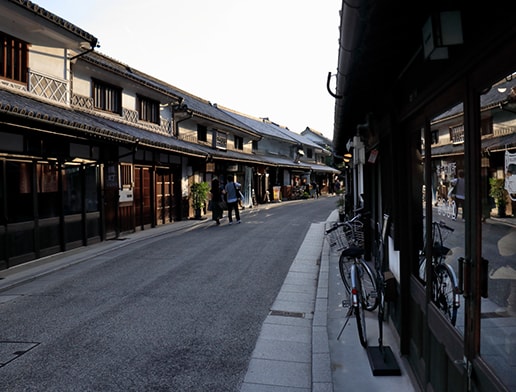
Photo and comments by Hiroyoshi Kawana
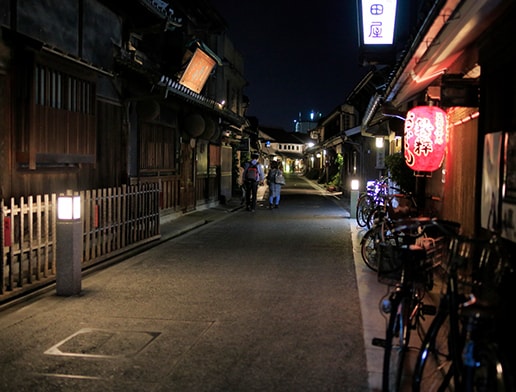
Photo and comments by Hiroyoshi Kawana
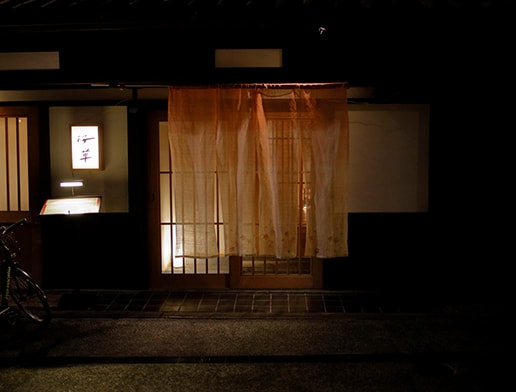
Photo and comments by Hiroyoshi Kawana
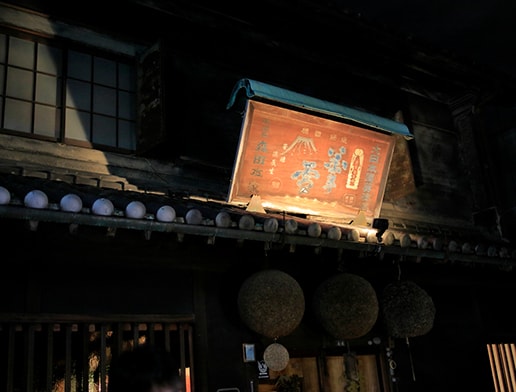
Photo and comments by Hiroyoshi Kawana
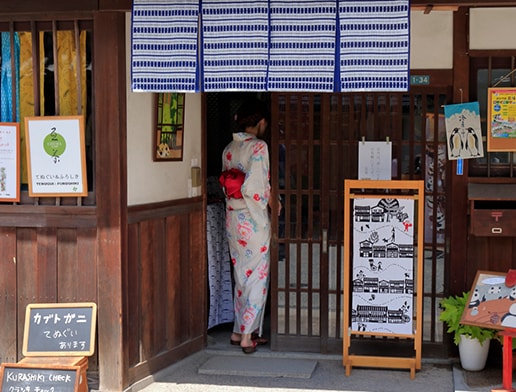
Photo and comments by Hiroyoshi Kawana
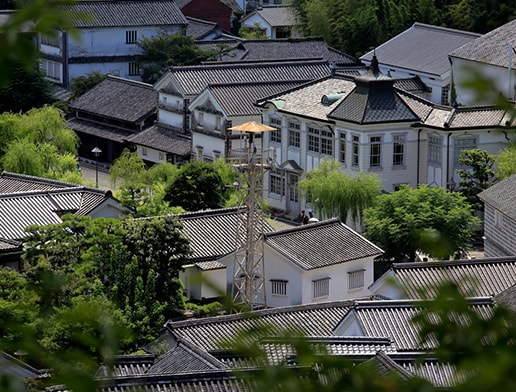
Roof view of the scenic Bikan Quarter from Mt. Tsurugata
Photo and comments by Hiroyoshi Kawana
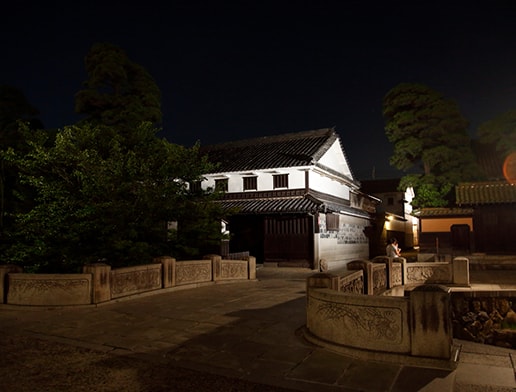
Former Ohara family residence. It has been designated as an important cultural property by the national government and it’s located at the end of the Kurashiki River. You can visit for a fee.
Photo and comments by Hiroyoshi Kawana
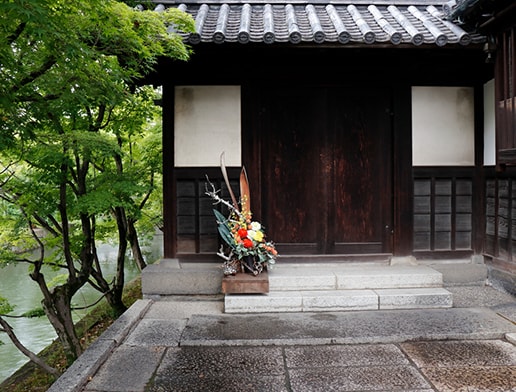
Photo and comments by Hiroyoshi Kawana
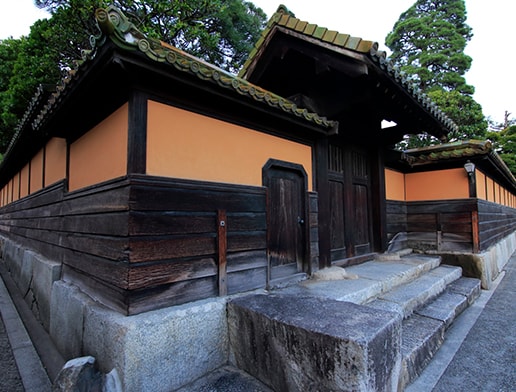
“Yurinso”, a villa of former Ohara family
Photo and comments by Hiroyoshi Kawana
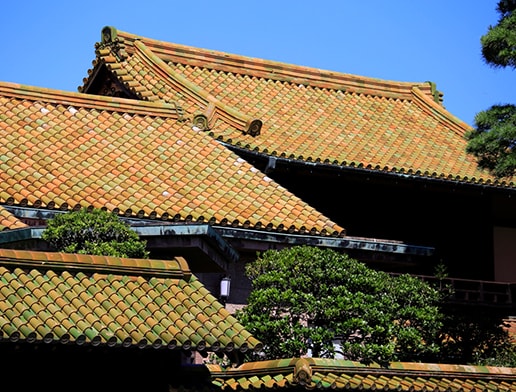
Photo and comments by Hiroyoshi Kawana
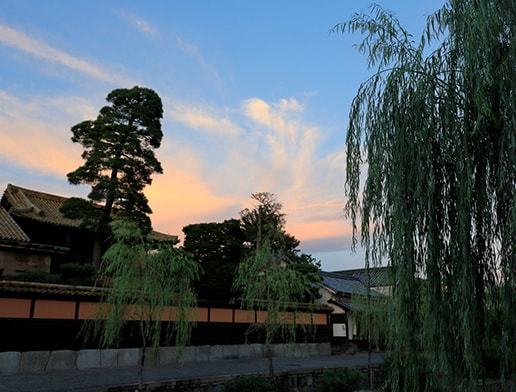
Photo and comments by Hiroyoshi Kawana
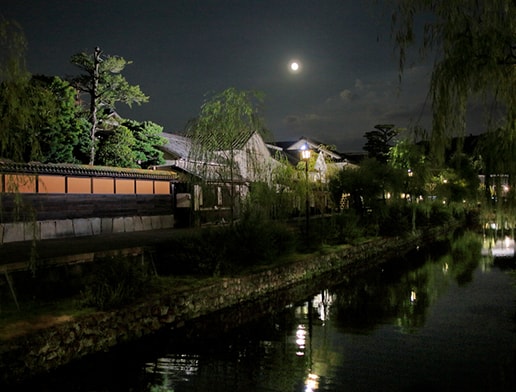
Kurashiki River and Yurinso Villa at night
Photo and comments by Hiroyoshi Kawana
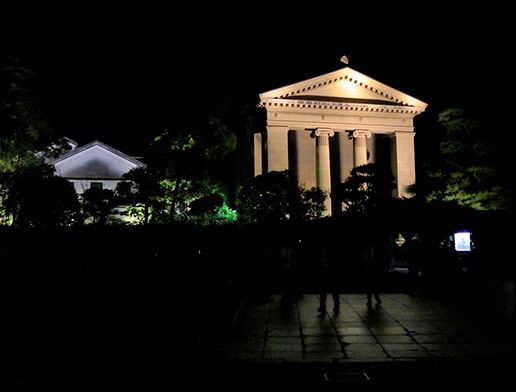
Ohara Museum. Nighttime Scenic Lighting
Photo and comments by Hiroyoshi Kawana
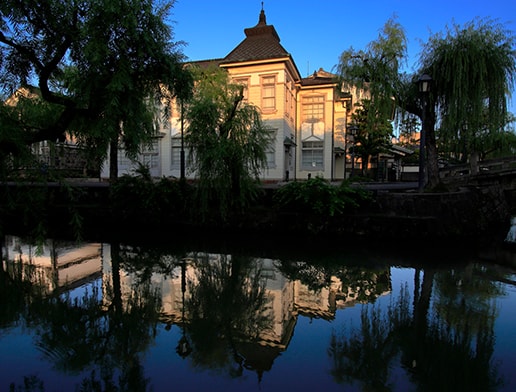
Former Kurashiki town hall. Now it’s converted into Tourist Information Centre.
Photo and comments by Hiroyoshi Kawana
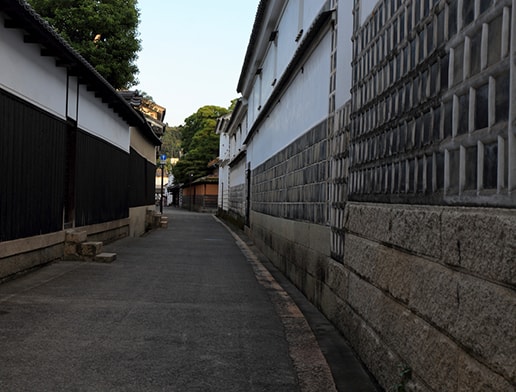
Laneways are lined with white walls and Namako-kabe walls
Photo and comments by Hiroyoshi Kawana
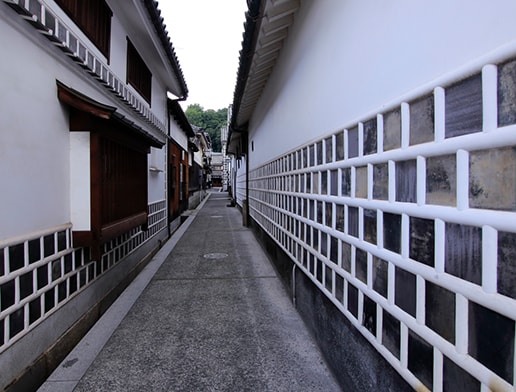
Photo and comments by Hiroyoshi Kawana
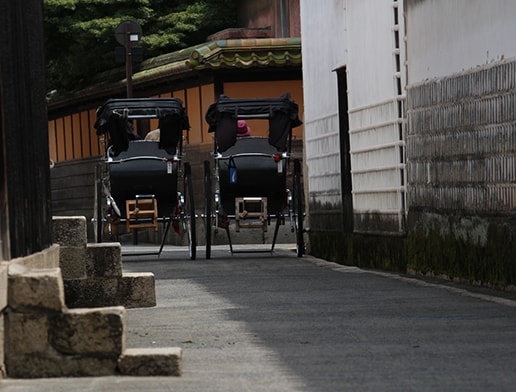
Tourist enjoys townscape with rickshaw ride
Photo and comments by Hiroyoshi Kawana
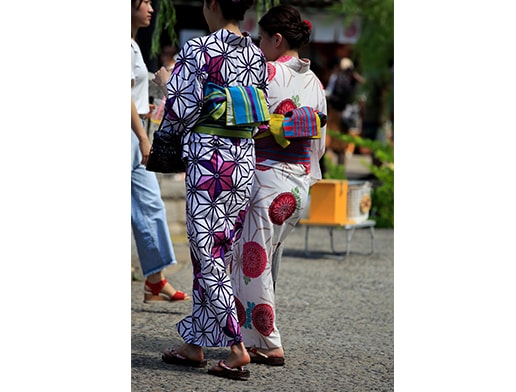
Tourist can rent a Kimono or Yukata (summer cotton kimono) and stroll around the town. Hair styling matching to Kimono is also available.
Photo and comments by Hiroyoshi Kawana
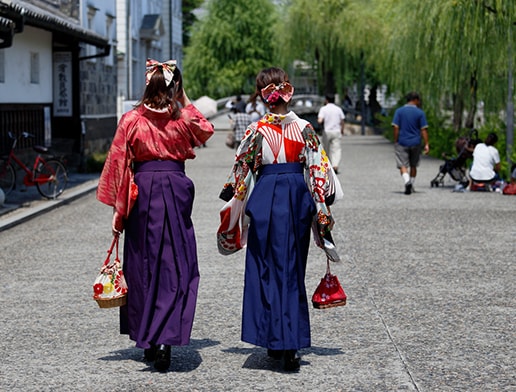
Photo and comments by Hiroyoshi Kawana
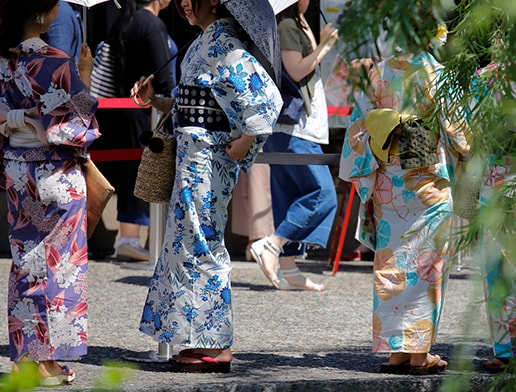
Photo and comments by Hiroyoshi Kawana




*All contents are protected by the copyright laws and other intellectual property laws of the United Kingdom.
If you wish to use our content, please contact us at [email protected]




Find you perfect Japan Holidays by calling or send us an online enquiry.
Please call us on: 020 7611 0150 or make an enquiry. We will get back to you soon!
Find you perfect Japan Holidays by calling or send us an online enquiry.
Please call us on: 020 7611 0150 or make an enquiry. We will get back to you soon!
Speak to our Japan Experts : 020 7611 0150
or click here to make an Enquiry
ABTA’s assistance and Code of Conduct.
©JAPAN TRAVEL CENTRE - Tailor your Japan travel by Japan specialist.